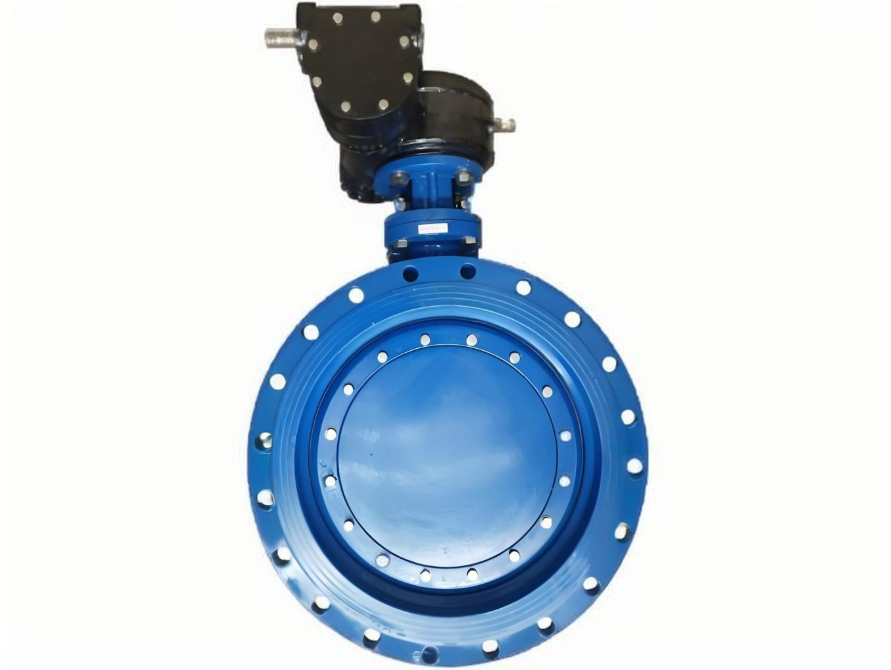
In fluid control systems where performance, durability, and efficiency are critical, the double eccentric butterfly valve has emerged as a dependable choice. Also referred to as the double offset butterfly valve, this type of eccentric butterfly valve offers improved functionality over the traditional concentric butterfly valve. Let’s explore what makes the double eccentric design unique, how it compares to other valve types, and why it is commonly used in a variety of industrial applications.
A double eccentric butterfly valve features two separate offsets in its shaft design:
The first offset moves the shaft behind the centerline of the disc seal, which reduces friction as the disc opens and closes.
The second offset shifts the shaft horizontally away from the center of the valve body, allowing the butterfly disc to lift away from the seat during operation.
This double offset design allows the disc to swing away from the sealing surface, minimizing wear and extending service life, especially in high-cycle operations.
Key Features of Double Eccentric Butterfly Valves
Dry Shaft: The dry shaft design ensures that the shaft is isolated from the process fluid, reducing the risk of corrosion and leakage.
Disc Seal: The sealing mechanism, often composed of resilient or metal materials, offers excellent tightness and durability.
Operating Torques: Thanks to its offset design, the valve requires lower operating torques compared to concentric valves, making it more energy efficient.
High Performance: Double eccentric valves provide a good balance between performance and cost, especially in systems where high performance is expected without the need for triple offset sealing.
Construction Materials
Double eccentric butterfly valves are typically made from robust materials such as:
Ductile iron: Offers strength, flexibility, and resistance to impact, making it ideal for general waterworks and industrial services.
Stainless steel: Provides excellent resistance to corrosion and chemical attack, making it suitable for aggressive or high-purity applications.
These materials ensure long-lasting performance and reliability in challenging environments.
Double Eccentric vs. Triple Eccentric Butterfly Valve
One common comparison in the valve industry is double eccentric vs. triple eccentric butterfly valve:
Double eccentric valves are ideal for general-purpose applications, such as water distribution, HVAC, and low- to medium-pressure systems.
Triple eccentric valves are better suited for high-pressure, high-temperature, and critical sealing applications, such as steam or corrosive media.
If your system demands metal-to-metal sealing and ultra-tight shutoff, a triple offset design may be better. But for many industrial needs, a double eccentric butterfly offers the perfect combination of performance and cost-efficiency.
Standards and Certifications
Most double eccentric butterfly valves comply with established industry standards, such as AWWA C504, which outlines design, testing, and performance requirements for valves used in water systems.
Applications of Double Eccentric Butterfly Valves
Common uses include:
Municipal water supply systems
Wastewater treatment plants
Power generation
Industrial cooling systems
Marine and offshore installations
Their robust design, long service life, and lower operating torques make them suitable for both new installations and retrofits in various sectors.
Conclusion
The double eccentric butterfly valve represents a significant improvement over traditional designs, offering enhanced durability, reduced maintenance, and reliable performance in demanding environments. With thoughtful shaft design, optimized disc seal mechanisms, and quality materials like ductile iron and stainless steel, these valves continue to be a mainstay in high-performance flow control systems. For many applications, they strike the ideal balance between efficiency and value—especially when certified under standards like AWWA C504.
What Industries Use Valves?
Valves are essential components in modern industrial systems. They play a critical role in flow control, ensuring the safe and efficient transport of liquids, gases, and other media through pipelines and equipment. From high pressure applications to precise fluid management, valves such as gate valves, butterfly valves, ball valves, and check valves are widely used across numerous industries.