
Selecting the right ball valve for heating systems affects performance, safety, and long-term operating cost. Whether used in residential boilers or large commercial networks, properly specified ball valves help maintain stable flow control, reduce maintenance, and extend system lifespan.
This guide explains how to evaluate options based on materials, pressure ratings, sealing methods, and installation conditions, with practical advice for engineers, contractors, and buyers.
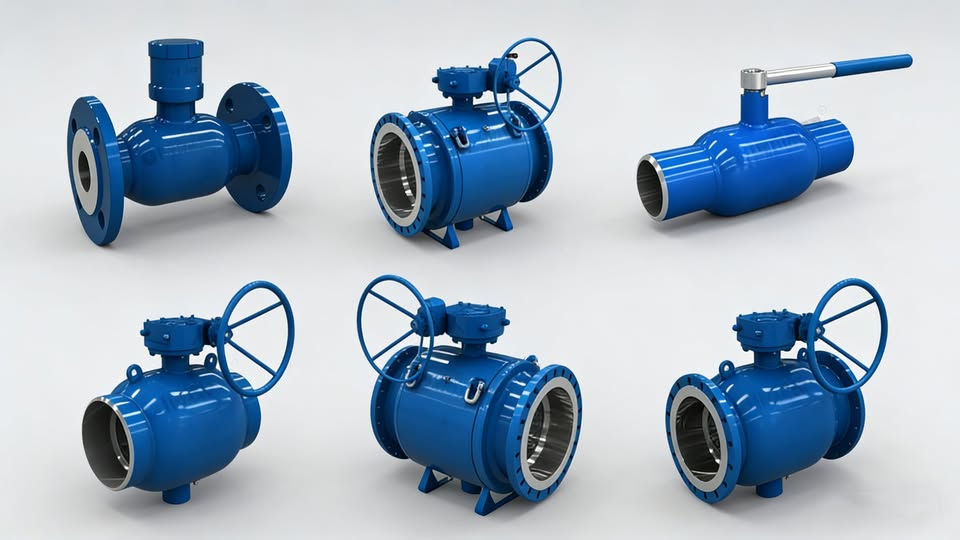
A ball valve is a quarter-turn valve that uses a spherical ball with a bore to control fluid flow. When aligned with the pipeline, fluid passes through; when rotated 90°, flow stops.
In heating systems, ball valves are commonly used for:
Heating systems operate under elevated temperatures and pressures. Always confirm:
For example:
Using an underspecified valve can lead to leakage or premature failure.
Material determines durability, corrosion resistance, and compatibility with heating media.
Common options:
Tip: For systems with treated water or glycol mixtures, stainless steel is often preferred.
Seat and seal materials directly affect reliability at high temperatures.
If the system experiences temperature fluctuations, choose seals that handle thermal expansion without losing tightness.
For heating efficiency, full port designs are generally preferred.
The installation method impacts maintenance and system flexibility.
Choose based on system size and maintenance requirements.
Modern heating systems may require automated flow control.
Automation improves efficiency in large or complex heating networks.
For safety and compliance, ensure valves meet recognized standards:
Certified products provide traceability and quality assurance.
For a typical commercial heating system:
This configuration balances durability, flow efficiency, and control.
Preventive maintenance reduces downtime and repair costs.
Stainless steel is often the most reliable choice for durability and corrosion resistance, especially in systems with treated water or chemicals. Brass is acceptable for smaller residential setups.
Full port ball valves are recommended for heating systems because they allow unrestricted flow and improve system efficiency.
Yes, but only if properly specified. Always check the valve body and seal material ratings to ensure they match system conditions.
Not always. Manual valves are sufficient for simple systems. Automation is useful in large or smart-controlled heating networks.
With proper selection and maintenance, ball valves can last 8–15 years or longer, depending on operating conditions and material quality.
Choosing the right ball valve for heating systems requires attention to temperature, pressure, materials, and system design. Well-matched ball valves improve efficiency, reduce maintenance, and ensure stable operation over time. Careful evaluation at the selection stage helps avoid costly replacements and performance issues later.